From Grove to Hand: Coastal Grain with Mountain Resolve
Today we journey into olive wood from the Adriatic littoral, shaped by dry winds, salt-kissed air, and centuries of careful pruning across sunlit terraces. Expect dense, fragrant boards with swirling figure, remarkable durability, and a deep connection to orchard stewardship. We will pair material science with craft traditions, compare finishes, share stories from makers, and invite your questions and experiences. Add your insights below, subscribe for field notes, and help map responsible practices that keep these living groves thriving for generations.

Anatomy of Coastal Hardwoods

Inside this resilient material lives a layered history of drought, light, and time. Its interlocked grain tells of slow growth and patient care, while natural oils perfume the workshop. Understanding its structure unlocks safer tool choices, smarter drying schedules, and kitchen-ready finishes that honor both beauty and longevity without compromising the living orchards that continue bearing fruit.

Color, Figure, and Scent

Expect warm golden tones rippled with chocolaty streaks, often swirling like aerial maps of coves and terraces. Fresh cuts release a spicy, herbaceous fragrance that lingers pleasantly. When polished, the depth appears almost liquid, revealing concentric narratives of growth. Such character rewards slow shaping, careful orientation, and a finishing regimen that highlights contrast without bleaching the wood’s natural vibrancy.

Hardness, Density, and Workability

This is a notably hard, heavy hardwood, commonly measuring high on the Janka scale and demanding sharp steel or, ideally, carbide tooling. Expect tool dulling faster than with domestic fruitwoods. With patient passes and moderate feed rates, it machines cleanly. Hand tools work beautifully after frequent honing. Its density contributes exceptional durability in utensils and boards, resisting denting while holding crisp details in turned or carved surfaces.

Drying and Dimensional Stability

Air-drying must be slow, shaded, and meticulously sealed at the ends to curb checking. Thicker sections benefit from staged reduction and generous sticker spacing for airflow. Once properly seasoned, movement is moderate and predictable. Quartered orientation helps limit cupping in wider boards. Plan your milling with final use in mind, because thoughtfully sized blanks shorten drying time, improve yield, and reduce waste across the entire workshop cycle.

Pruning Along Sunlit Terraces

Coastal terraces yield branches from cyclical pruning that keeps canopies healthy and fruiting. These offcuts, once chipped or burned, become small blanks for spoons, knife handles, and inlay. Makers collaborate with growers to schedule pickups after sap flow slows. This timing reduces internal stress and sap bleed, easing drying. It transforms necessary care work into meaningful craft material, reinforcing resilient, climate-aware orcharding practices.

Respecting Living Groves

Healthy trees are livelihoods, shade, and heritage. Ethical craft avoids felling, instead seeking windfall, deadwood, or limbs removed to balance the crown. Documentation from growers verifies origin and care. Payment structures can include maintenance support or tool funds for farms. This reciprocity preserves soil, pollinators, and shade for understory plants, ensuring each carved object carries forward the orchard’s capacity to flourish rather than deplete.

Tools, Techniques, and Finishes

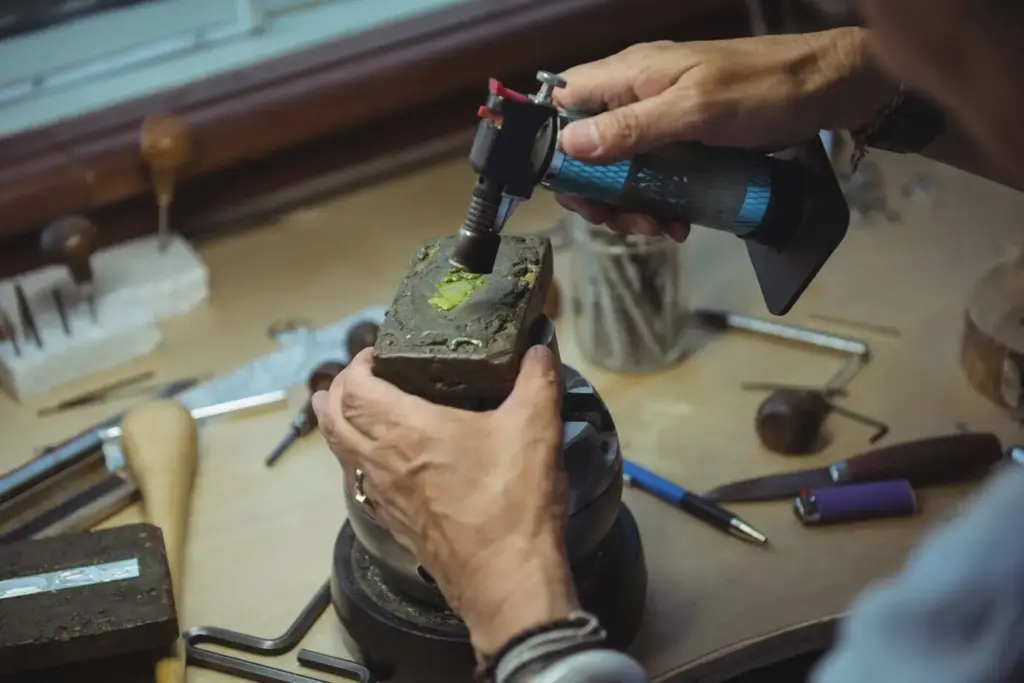
A material this dense rewards calm hands, sharp edges, and thoughtful sequencing. Jointing and planing benefit from light cuts and skewing. Carvers keep stropping close. Turners experiment with bevel-rubbing scrapers for clean curves. Finishes consider kitchen life, prioritizing polymerizing oils and breathable waxes over heavy films. Each choice should honor the wood’s fragrance, figure, and function without masking its coastline-forged character.

Preparing the Blank

Start by orienting grain to reduce cross-grain tear-out in critical curves. Remove pith, seal ends, and rough to generous dimensions. Rest the blank between milling steps, allowing tensions to relax. Pencil your final profile clearly. A few millimeters preserved during prep protect future edges. Keep a moisture meter handy and document readings, so design choices—thin handles or wide faces—match the wood’s readiness.

Shaping, Turning, and Carving

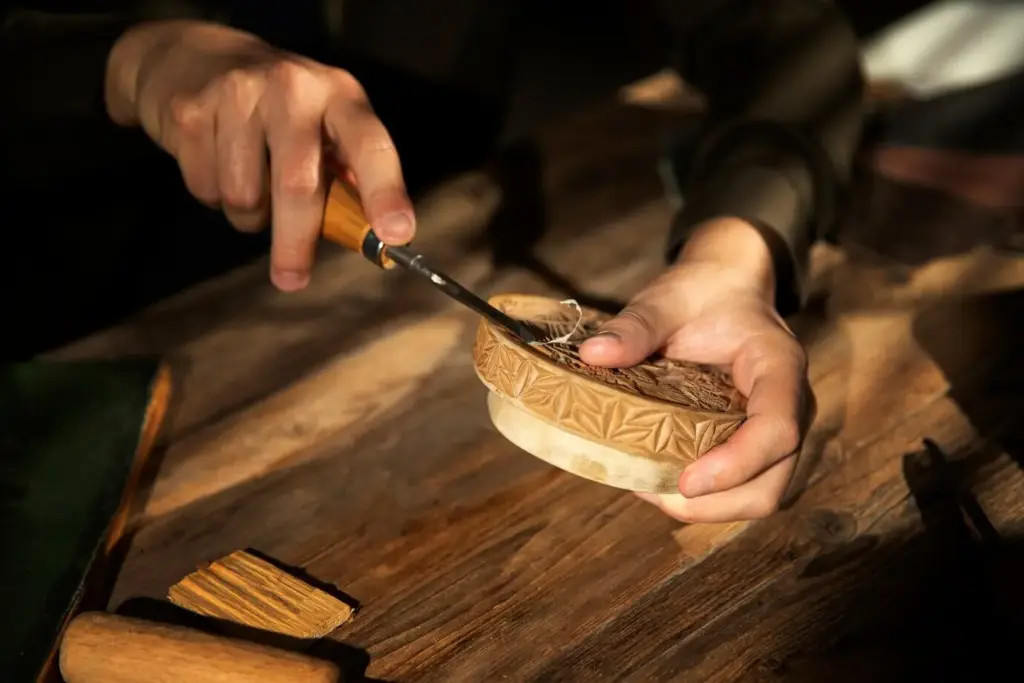
Use a skew or sharp gouge with gentle, supported cuts that follow the figure. Expect occasional reversal where grain interlocks; skew the blade and lighten pressure. For handwork, a sloyd knife and curved gouges excel. Sand progressively, ending finer than usual to tease out chatoyance. Blow out dust often; dense pores can embed particles. Patience brings a glassy surface that remains tactile and warm.

Culinary Companions from Sea and Stone

In coastal kitchens, salt crystals, mortar textures, and resilient boards create a choreography of flavor and touch. Pair this wood’s silky density with local sea salt, porous stone mortars, and citrus-bright oils. The result is a trusted work surface that resists bruising herbs, protects knife edges, and carries subtle fragrance. Thoughtful shapes anchor rituals—salting, slicing, and serving—that echo tides and hillside terraces.

Stories from the Coastline

Materials become companions when tied to memory. In these vignettes, hands, tools, and landscapes meet: a market morning, a foggy pier, a workshop opening to gull calls. Each story traces a path from pruning to object, revealing why dense grain, patient finishing, and shared meals can anchor belonging. Add your own story, and help map this region’s living craft atlas together.

Design, Science, and Circularity

Thoughtful design links measurement to meaning. Life-cycle thinking favors prunings over felling, efficient transport, careful drying, and long-lived objects easy to refinish. Offcuts become handles, buttons, and inlay, while shavings perfume compost or smokehouses. Sharing open data about origin, moisture, and finishing schedules helps makers replicate success, minimize waste, and keep value circulating within the bioregion’s communities and ecosystems.
Narivexotelilentopaloloro
Privacy Overview

This website uses cookies so that we can provide you with the best user experience possible. Cookie information is stored in your browser and performs functions such as recognising you when you return to our website and helping our team to understand which sections of the website you find most interesting and useful.